TS-0203-1217- BOV Kompact Civic Type RUpdated 25 days ago
Product Name: | BOV Kompact Civic Type R/RS |
Product Description: | BOV Kompact Supersonic Honda CTR |
Product Number: | TS-0203-1217 |
Important Notes On Your New Diverter Valve
Important Notes On Your New Diverter Valve
- Turbosmart accepts no responsibility whatsoever for incorrect installation of this product which is potentially hazardous and can cause serious engine damage or personal injury
- The EM series diverter valve is designed for use as a factory replacement for a turbocharged vehicle that utilises an electronic diverter valve, this valve can be used on other applications so long as there is a control signal to actuate the diverter valve.
- Ensure the engine is cold prior to installation.
Recommendations
Recommendations
- Turbosmart recommends that your Diverter valve is fitted by an appropriately qualified technician.
Kit Contents
Kit Contents
Part | Description | Use |
1 | Turbosmart EM Series diverter valve | Main unit |
2 | Mounting Brackets | Mounting diverter valve to intercooler x 2 Model dependent |
3 | Turbosmart Sticker | Turbosmart sticker |
4 | Hose | Connect BOV to Signal Source |
Tools Required
Tools Required
- Allen key set metric
- Screwdriver
- Basic socket set
- Torx bits
- Pliers
About Your Kompact Series BOV
A direct fit high performance replacement for the factory all plastic unit, the Turbosmart Kompact BOV suits the Civic Type R and RS Turbo. The Turbosmart unit is made of billet aerospace grade aluminium with high temperature seals that allows for minimal
leakage and a complete seal across the bypass aperture providing as much performance as possible.
Benefits include:
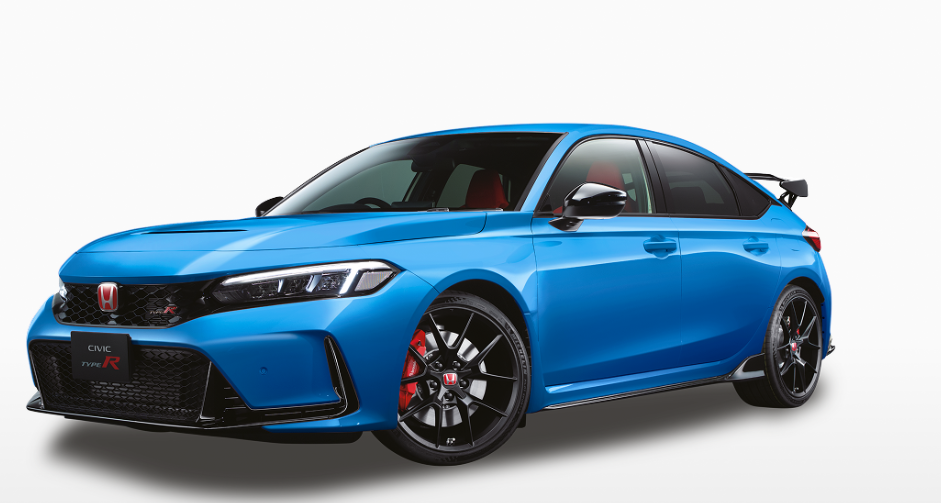
- Direct fit upgrade for the factory BOV on Honda Civic CTR/RS and Hyundai Genesis
- All billet CNC construction and attractive anodized finish
- Manufactured, assembled and validated in-house at Turbosmart HQ
Fitting your Kompact Series Diverter Valve
Identify diverter valve location
Identify the location of the factory Diverter Valve assembly, the diverter valve of the Civic is located on towards the front of the vehicle on the left when viewed from the front, it can be easily accessed on the RS variant however some parts will need to be removed to allow access on the CTR.
NOTE! Allow for the engine to cool down.
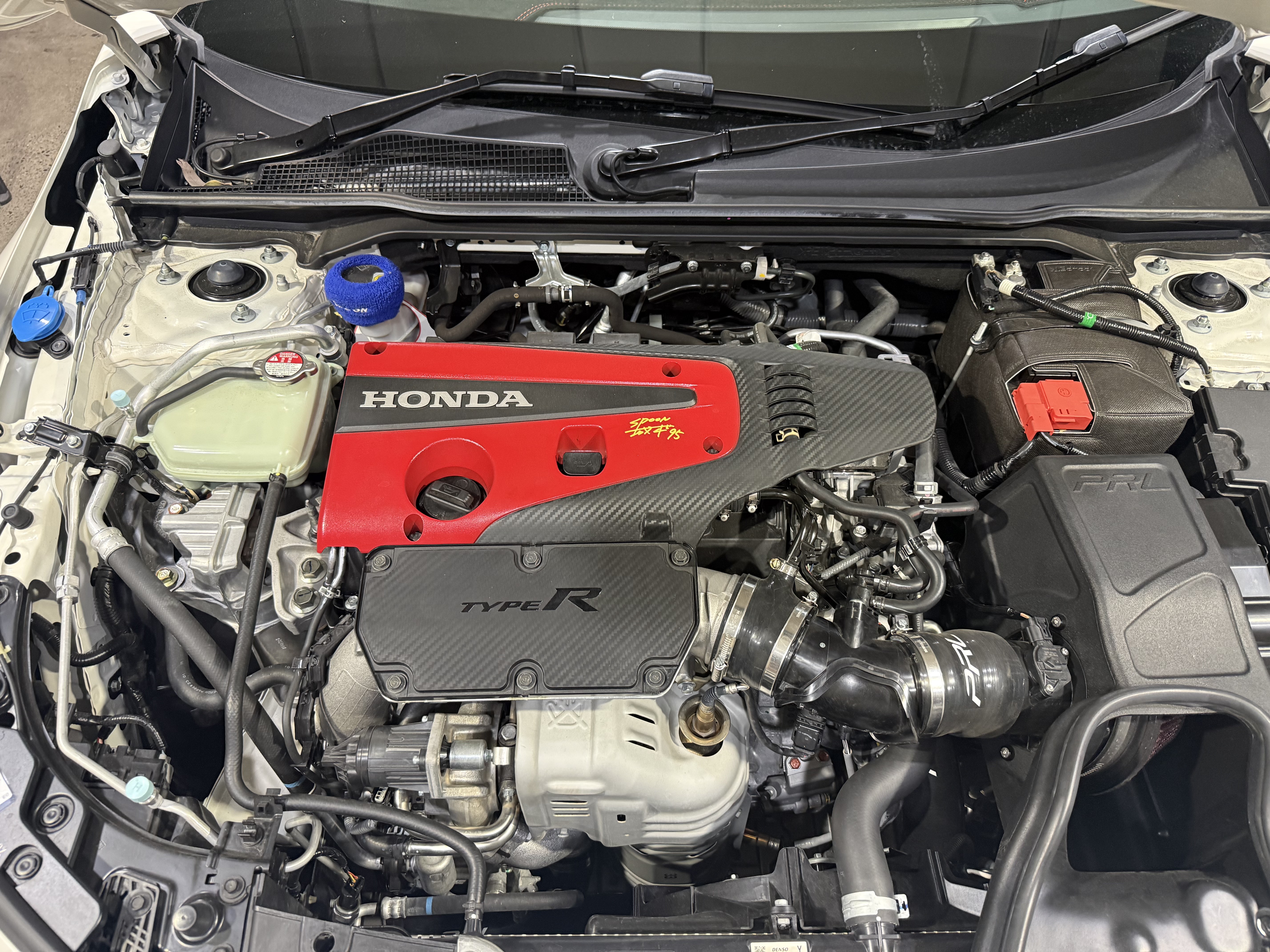
Removing OEM Turbo intake
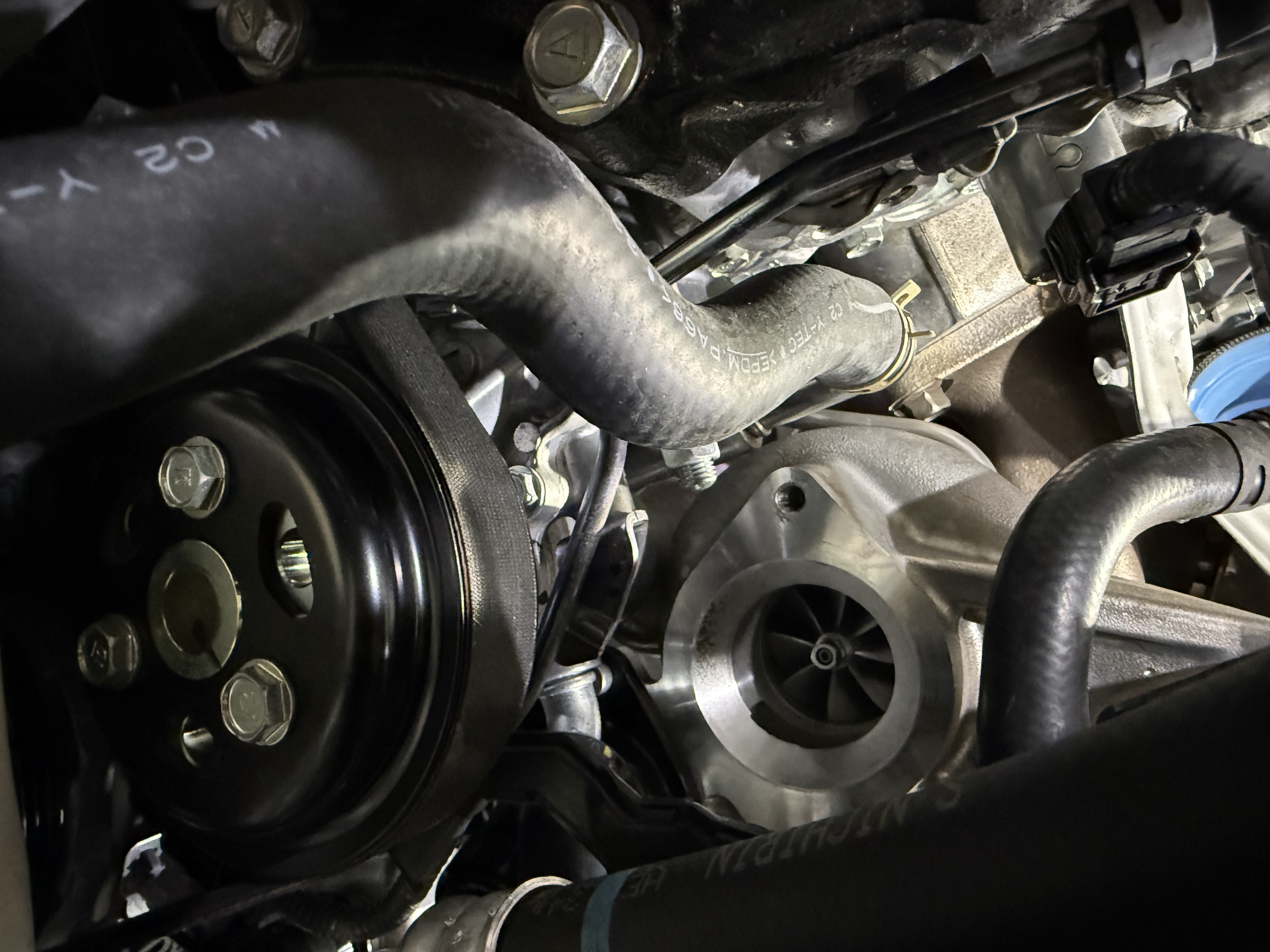
Using a 10mm to remove the two bolt flange as well as worm gears we need to remove the turbo intake pipe as seen above with the TYPE R Engraving. It will allow for turbocharger access to increase. There are also coolant pipes as well as mountings to the valve cover that will be required to remove this component ensuring not to damage gasket.
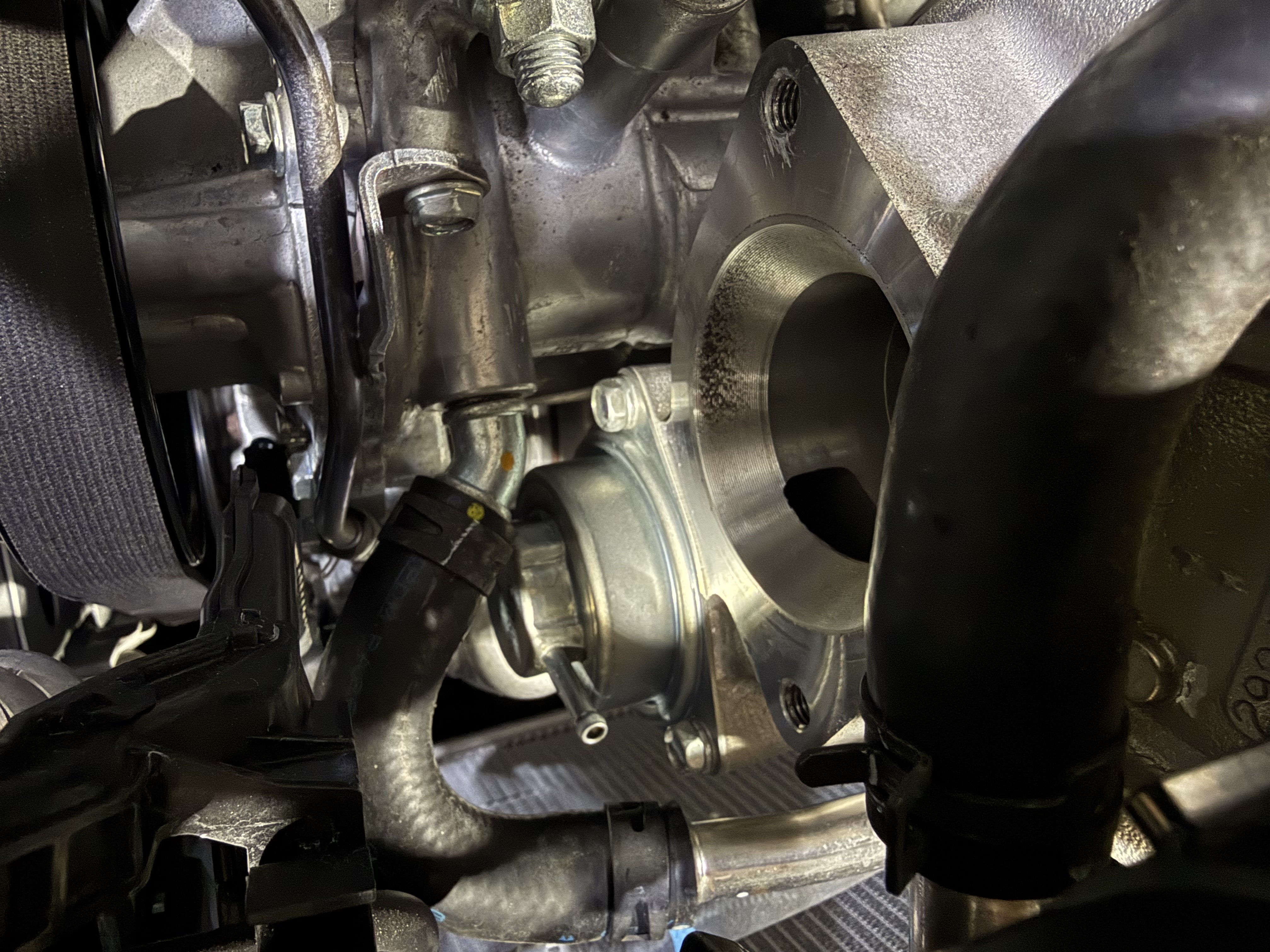
The standard unit can be removed with the 3 10mm bolts holding it on.
Turbosmart recommends setting aside factory hardware and diverter valve for safe keeping.
Fitting Turbosmart Kompact BOV
Using the provided hardware, place Turbosmart Kompact Valve on its mounting location. Ensuring that all orings stay in place. The BOV has cut outs, which are hadny for pre starting bolts to ensure that they remain in place when attaching the BOV. Ensure bolts are correctly torqued as well as the hose is correctly mounted and free from snagging.
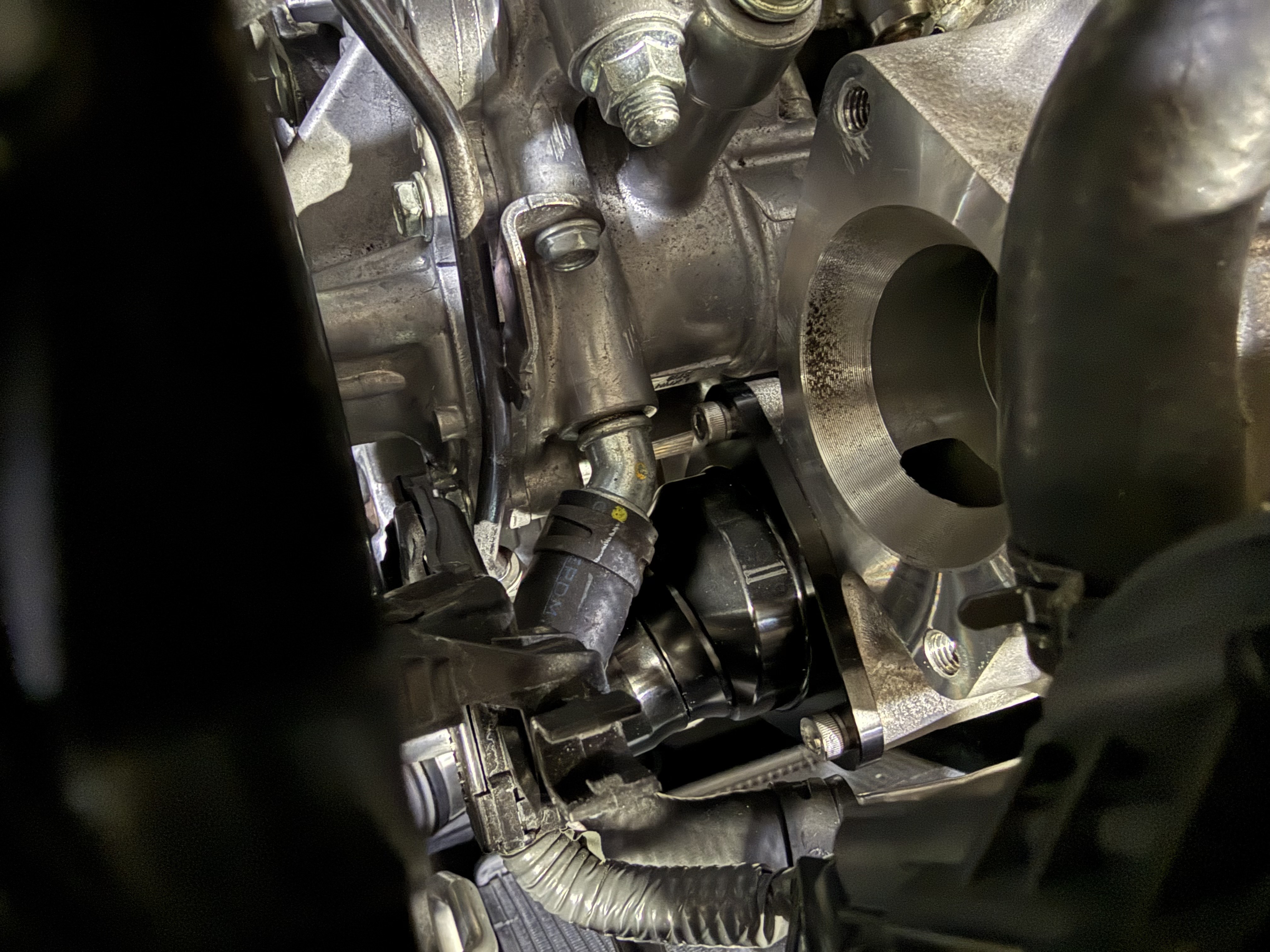
Attaching Diverter Valve Plumbing
Attach the provided silicone hose to the Turbosmart Kompact Valve’s fitting and secure it in place using the provided spring clamp.
Finalising your Install
It is important to check for leaks and correct operation as well as listening for compressor surge. This noise is the sound of the boost pressure air running back into the turbo causing cavitation.
Now the car can be taken for a test drive in a safe environment and listen for the correct operation and that no turbo charger surge occurs
Troubleshooting
Troubleshooting
The following points should be checked if you find that your engine is dipping below normal idle, stalling or if the BOV is functioning
poorly. Please note: the following checks will cure 99% of problems experienced with a BOV.
- Check the vacuum hose for splits, cracks, loose connection, kinking or any obstruction – old or fatigued hose may collapse under vacuum causing an obstruction.
- With the engine running remove the vacuum / boost hose from the nipple in the cap of the BOV, there should a loud hissing sound. The engine should idle poorly, double check by covering the end of the hose with your finger – otherwise the hose is blocked.
- Check to see if the BOV is blocked or contaminated with dirt or debris.
- Ensure that the vacuum / boost source is not shared and that the vacuum source is directly from the inlet manifold.
- Check the seal between the charge pipe flange and the BOV. Make sure the supplied O-Rings are installed properly and the BOV Flange is secured on the compressor cover flange with the 3 supplied screws.
- Ensure the spring clamps are secured on silicon hoses and fittings.
- If the valve does not open properly or is slow to react, it could be due to the mapping of the drive by wire system from such things as aftermarket chips and engine tunes. Check with the tuner that the mapping of the throttle is the same as OEM.
- The valve may not open if the engine is just free reved. Check that the valve operates by driving the vehicle.
Adjusting your BOV
The aim of the adjustment on the Dual port is to make sure that the piston is hard closed at idle and that the piston closes fast enough to minimise backfiring and not stall the engine. In most cases, the cap is in the correct position from factory.
INSTALL THE BOV WITH THE FACTORY SETTING FIRST BEFORE PERFORMING ANY ADJUSTMENT.
Adjustment to the BOV is made by rotating the cap. To increase the spring force on the piston, rotate the cap clockwise in the direction of hard as marked on the top of the cap. To decrease the spring force on the piston, rotate the cap anticlockwise in the direction of soft as marked on the top of the cap - CAUTION - Do not rotate the cap beyond the O-Ring groove.
- Start with the BOV cap at the maximum soft position (The indicator O-Ring should be completely covered by the edge of the cap)
- With the engine at idle the exhaust port should be closed off by the piston – the piston should be hard against the seat and not floating or moving
- Free rev the engine and back off quickly, the engine should return to normal idle speed – if the engine drops below idle or stalls increase the spring tension by one turn
- Repeat this process until the engine free revs and returns to normal idle speed
- Test drive the car and ensure that when decelerating or changing gears that the engine has minimal backfiring and no stalling. If backfiring is excessive or stalling is noticed then check all connections made during the installation, otherwise increase the spring tension.